The Numbers That Changed Everything
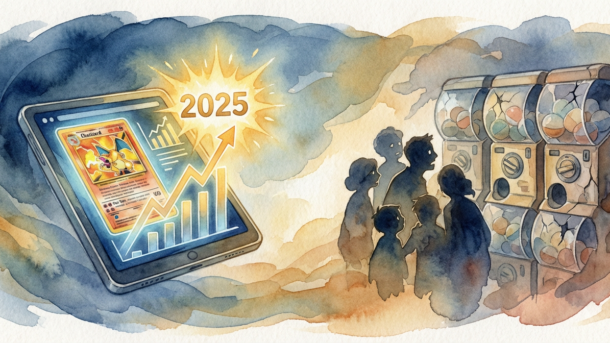
When Pokémon TCG Pocket launched in late 2024, nobody expected it to become the fastest-growing digital card game in mobile history. The Pokémon Company wasn’t making bold predictions. The gaming press was cautiously optimistic. But then something genuinely unexpected happened. Within just two months, the game had already surpassed $200 million in revenue. According to data from Sensor Tower Mobile Gaming Revenue Reports, this puts the game in rarefied company, alongside some of the most successful gacha titles ever launched. By early 2026, it crossed 100 million downloads globally.
These aren’t just impressive numbers for a mobile game. They’re a wake-up call for an entire industry built on predictable monetization patterns. Every major publisher is now asking the same question: what is Pokémon TCG Pocket doing differently, and why does it work so well? The uncomfortable answer is that the game’s success reveals deep structural problems with how most mobile games approach their players’ wallets.
The Wonder Pick Mechanic Changes Everything
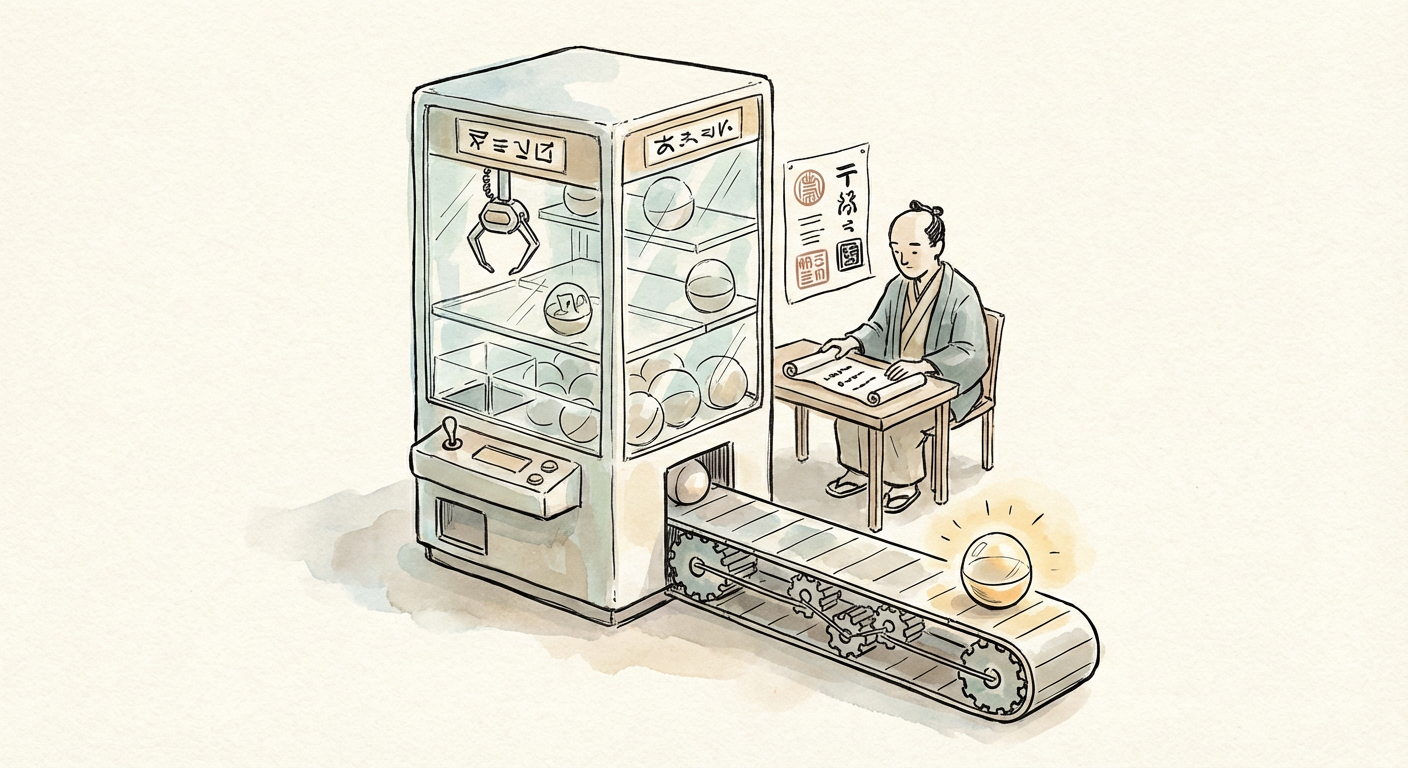
Here’s where the design criticism gets interesting. Pokémon TCG Pocket doesn’t rely on traditional gacha mechanics. Instead, it uses something called Wonder Pick, a communal pack-opening system that fundamentally reimagines how players interact with randomized rewards. When you open a pack, other players in your session see what you pulled. They can choose to “wonder pick” cards they’re interested in. This creates a social layer that transforms what would otherwise be a solitary, repetitive microtransaction into a shared moment.
The regulatory response tells you everything about how different this approach is. In Belgium and the Netherlands, where governments have been particularly skeptical about loot boxes and gacha mechanics, Wonder Pick received noticeably different scrutiny than standard randomized reward systems. Regulators recognized that the social reveal component created different player psychology than traditional single-player gacha. This isn’t just regulatory semantics. It reflects genuine design philosophy. The mechanic makes spending feel less like gambling against a machine and more like participating in a community event.
What’s clever about this design is that it solves multiple problems at once. It increases player retention through social connection. It makes the monetization feel less predatory. And it keeps the excitement and unpredictability that makes gacha mechanics engaging in the first place. DeNA’s Q3 2025 earnings report confirmed this with hard data: games featuring “social reveal” mechanics retained players 34% longer than equivalent single-player gacha titles in their portfolio. That’s not a marginal improvement. That’s a fundamental shift in how players engage with the experience.
The Regulatory Wave That Nobody Saw Coming
Japan’s Consumer Affairs Agency updated their gacha guideline clarifications in 2025, and the timing feels far too convenient to ignore. These updated guidelines specifically referenced what regulators called “complete gacha-adjacent mechanics,” which essentially means multi-step reward systems that feel like gacha even if they’re technically structured differently. The implications ripple across the entire industry because most major publishers operate in Japan. If Japan sets a regulatory precedent, the entire mobile gaming market shifts.
You can read the full details at Japan Consumer Affairs Agency Gacha Guidelines, but the practical effect is significant. Publishers can no longer hide multi-step randomization systems behind clever terminology. They need to either redesign their monetization or accept regulatory pressure. Pokémon TCG Pocket, by its very design, sits in a gray area that regulators seem more comfortable with than traditional gacha. That’s not an accident. It’s evidence of thoughtful design that considers the player experience from multiple angles.
What This Means For Everyone Building Mobile Games
The nervous reaction from other mobile developers isn’t just about revenue envy. It’s about watching their entire business model get questioned by a game that proves there’s a more engaging alternative. For fifteen years, the gacha model has been the industry standard for monetization in mobile gaming. It works. Players spend money. Games make revenue. But Pokémon TCG Pocket demonstrates that players will spend money just as readily, maybe more readily, if the experience feels less extractive.
This creates a genuine dilemma for publishers. The gacha model is proven and understood. Switching to something new means redesigning systems, retesting player psychology, and accepting short-term revenue uncertainty for long-term player trust. That’s difficult for any business. But Pokémon TCG Pocket’s retention numbers and revenue trajectory suggest that the long-term bet might actually pay off. Players don’t leave because they feel included in something. They do leave when they feel manipulated.
The underdog developers, the smaller studios building games without massive franchises behind them, suddenly have a different path forward. You don’t need a billion-dollar IP to make a successful mobile game. You need a monetization model that respects player agency and creates genuine social connection. That’s harder to design than traditional gacha. It requires more thoughtfulness. But it’s entirely possible for any studio willing to invest in that work.
The Uncomfortable Questions We Should Be Asking
If Pokémon TCG Pocket proves that social, transparent monetization works better than opaque gacha systems, why haven’t more games adopted this approach sooner? The answer probably involves institutional inertia, executive risk-aversion, and the simple fact that gacha made money so effectively that nobody wanted to question it. But now the question has been asked and answered by the market itself. Players respond better to design that treats them as community members rather than revenue targets.
The bigger conversation here is about game design as craft. Every mechanic carries implied values. Gacha systems, at their core, prioritize extraction. They’re designed to find the threshold where players keep spending while barely feeling satisfied. Wonder Pick prioritizes connection and fairness. It’s designed to create moments worth sharing. Both systems monetize the game. Only one respects the player.
What Pokémon TCG Pocket has accidentally done is reveal that respect is profitable. That’s genuinely frightening for an industry built on the opposite assumption. The $200 million in revenue and 100 million downloads aren’t just impressive metrics. They’re proof that there’s money in treating players well. The question every developer should be asking right now is simple: what’s your game doing to earn continued trust, and what are you doing that might be breaking it? I’d love to hear what you think. Are you seeing similar trends in the games you’re playing, or do you think this is specific to Pokémon’s massive audience?