The Games That Time Almost Forgot
You know that feeling when you’re digging through old forum posts and someone mentions a game that absolutely consumed your summer in 2009? That little jolt of recognition, followed immediately by the realization that barely anyone talks about it anymore? That’s exactly what happened when I stumbled across a recent interview with Maria Santos, the lead designer behind “Midnight Parcels,” an atmospheric puzzle-platformer that launched to critical acclaim but somehow vanished from the gaming conversation within two years.

Santos was refreshingly honest about the game’s trajectory. “We thought we were making the next ‘Braid,’” she laughed during our video call, her home office decorated with concept art from projects spanning the last decade. “Looking back, I think we were so focused on being profound that we forgot to be fun first.” This kind of retrospective clarity makes revisiting these “almost classics” so fascinating. The developers have had time to process not just what worked, but what they thought worked at the time versus what actually resonated with players.
The indie gaming world of the early 2010s was a completely different beast. Digital distribution was still finding its footing, Steam’s discovery algorithms were primitive, and social media marketing for games meant hoping someone with a decent following would tweet about your project. Santos and her two-person team at Neon Moth Studios were competing for attention in a space that rewarded either exceptional polish or exceptional weirdness. “Midnight Parcels” fell somewhere in the thoughtful middle ground that’s hardest to market.

The Soundtrack That Deserves Another Listen
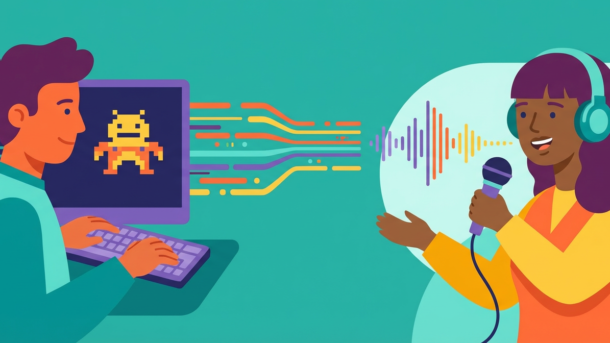
Here’s where things get interesting though. While “Midnight Parcels” might not have found its audience during its initial release, its soundtrack has lived an entirely separate life online. Composer Jake Morrison created something genuinely special with those ambient electronic pieces, and they’ve been quietly soundtracking study sessions and late-night coding marathons for years. “I still get emails about the music,” Morrison tells me. “Someone will say they’ve been listening to ‘Station 7’ for a decade and just wanted to say thanks.”
This disconnect between a game’s commercial performance and its cultural staying power is more common than we like to admit. Morrison’s tracks have racked up millions of streams across various platforms, often completely separated from their original context. People discover them through lo-fi playlists, ambient music compilations, or those “music to focus to” YouTube channels. The melancholic synth work that perfectly complemented the game’s themes of isolation and connection has found new life as background music for modern digital life.
When I asked Morrison if he felt vindicated by this unexpected longevity, he paused thoughtfully. “It’s bittersweet, honestly. I’m grateful the music found people, but I also know it hits different when you experience it alongside Maria’s level design. There’s this moment in the third act where the music and gameplay sync up perfectly, and I don’t think most people who know the soundtrack have experienced that.” It’s a reminder that game music, no matter how beautiful in isolation, was crafted to work within a larger interactive experience.
What We Got Wrong About Innovation
The more we talked, the more it became clear that both Santos and Morrison had learned some hard lessons about innovation that feel especially relevant today. “We were so caught up in doing something no one had done before that we forgot to ask if anyone actually wanted it done,” Santos admitted. “Midnight Parcels” had a unique mechanic where players could manipulate the emotional state of NPCs through environmental storytelling, but the implementation was so subtle that most players never fully grasped how to use it effectively.
This speaks to a broader tension in indie development during that era. The success of games like “Braid” and “Limbo” had proven that innovation and artistic vision could find commercial success, but it also created pressure to innovate just for the sake of it. Santos described spending months perfecting systems that maybe three percent of players would fully engage with. “We were designing for the most attentive, most patient players imaginable,” she explained. “That’s not necessarily wrong, but it’s definitely limiting.”
Looking at “Midnight Parcels” now, with over a decade of hindsight, you can see both its ambition and its blind spots. The environmental storytelling is genuinely sophisticated, with layers of narrative hidden in background details and NPC behavior patterns. But the core platforming, while competent, never quite reaches the level of joy that makes players want to share their experience with friends. It’s the difference between a game you respect and a game you evangelize.
The Long Game of Creative Legacy
What’s fascinating is how both developers have carried these lessons forward. Santos went on to work at several larger studios before returning to independent development last year, while Morrison has become a sought-after composer for indie projects. Their current work shows the influence of that “Midnight Parcels” experience, refined through years of understanding what players actually connect with versus what sounds good in a design document.
Santos’s new project, still in early development, applies the same thoughtful approach to environmental storytelling but builds it around more immediately engaging core mechanics. “I learned that you can hide complexity behind accessibility, but you can’t hide accessibility behind complexity,” she said. Morrison, meanwhile, has built a reputation for creating music that enhances gameplay without overshadowing it, a balance he admits took years to master.
There’s something valuable in these conversations with creators who’ve had time to process their work outside the immediate pressure of launch windows and review cycles. The honest assessment of what worked, what didn’t, and what they’d do differently creates space for more thoughtful discussions about game design and artistic vision. It’s the difference between promotional interviews and genuine reflection.
These stories matter because they remind us that the games we remember fondly weren’t always the games that dominated sales charts or review aggregators. Sometimes the most interesting creative work happens in those middle spaces, among developers trying to push boundaries while figuring out how to pay rent. If you’ve got memories of games that seemed to vanish too quickly, or soundtracks that outlived their source material, I’d love to hear about them. These conversations work best when they’re actually conversations.